Buenos Aires neighbourhoods to live in: Palermo, Belgrano, Recoleta, Núñez, Caballito, Villa Crespo
Main page on this topic: Real estate
Checked:
Short answer: there is no universal answer to "where to live"; it depends on work, budget and habits. The city is divided into 48 barrios and 15 comunas. The six in this article: Palermo (comuna 14), Recoleta (comuna 2), Caballito (comuna 6), Villa Crespo (comuna 15), while Belgrano and Núñez, together with Colegiales, make up comuna 13. We do not rank neighbourhoods or quote prices: see current listings in the "Real estate" section of ArgHub.
Apartments for rent now
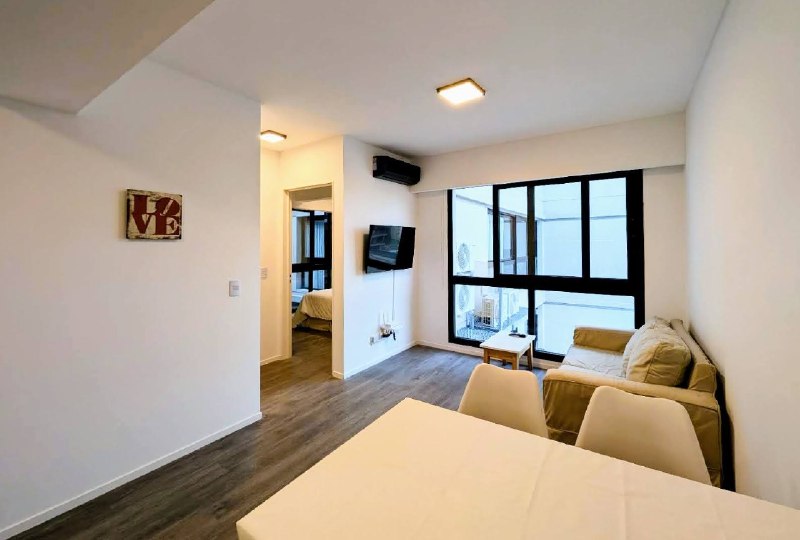
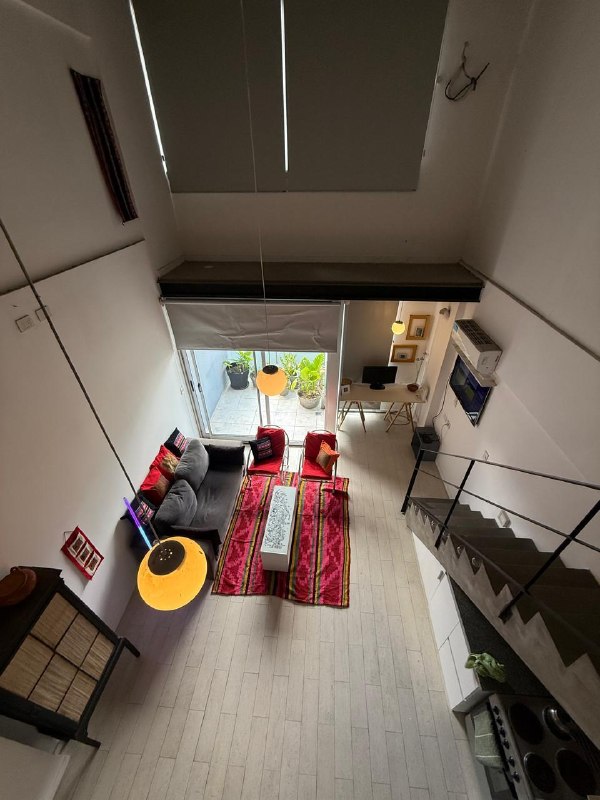
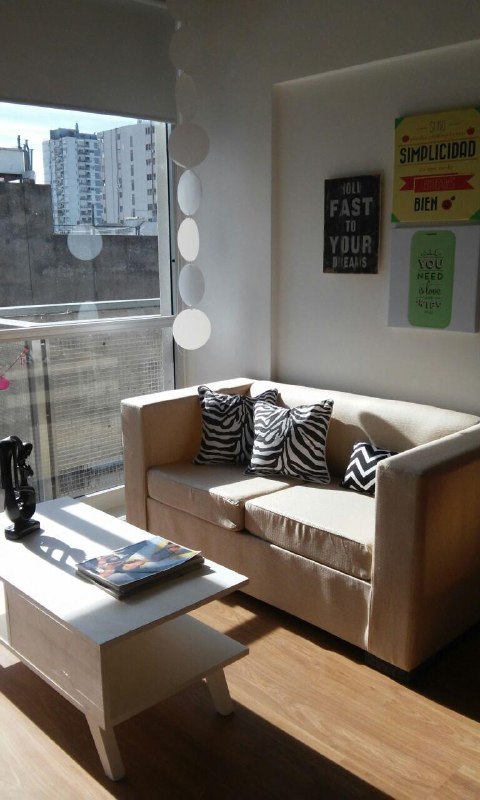
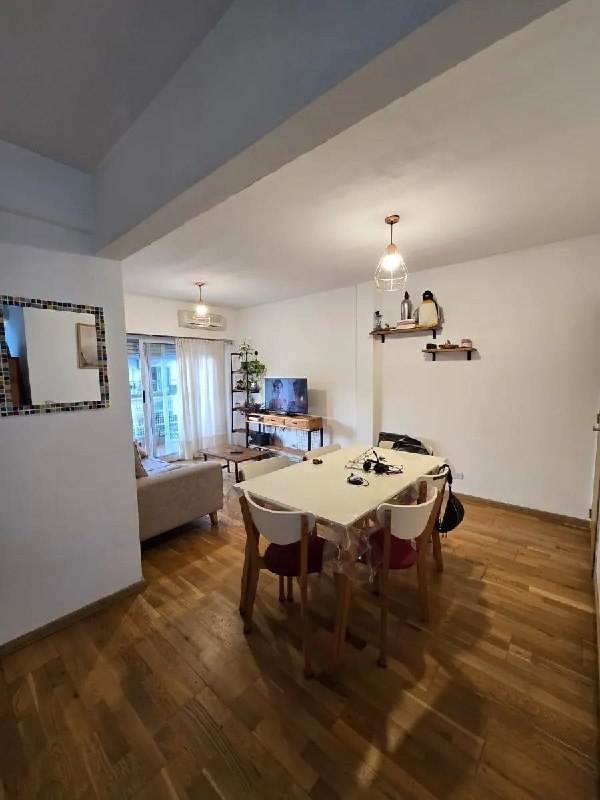
Transport in Palermo and Recoleta
Subte line D runs through Palermo and Recoleta from the centre to the north; in Palermo it meets the Mitre railway line, whose viaduct (Viaducto Mitre) crosses Palermo, Belgrano and Núñez. Check exact stations and routes on the official subte map and, before renting or buying, travel the real route from the address to your workplace.
What to do today
Pick one step and do it today:
- Find a homeRent and sale listings with filters
- Get new listings in TelegramThe bot writes when a matching one appears
- Compare exchange ratesFresh rates from exchange offices in one table
Transport in Belgrano and Núñez
In the north of the city the Mitre train (the Viaducto Mitre runs through here) and buses matter more; there are fewer subte stations than in Palermo or Caballito. The terminus of line D (Congreso de Tucumán) is in the north of the city. The deciding question is how far the address is from the nearest station or stop.
Transport in Caballito and Villa Crespo
Caballito has stations on line A (including Puán and Primera Junta) and Villa Crespo has stations on line B (including Malabia and Dorrego). These are barrios west of the centre, convenient if your work or study is near those lines. Measure travel time at the hours you will actually travel.
Safety of Buenos Aires neighbourhoods
ArgHub does not rate the safety of neighbourhoods and does not invent figures. The official source is the city government's Mapa del Delito: data by barrio and type of incident for the period you choose. A figure for a barrio does not describe a particular street: walk the area by day and in the evening and look at the lighting, the people and the open shops.
How to choose where to live in Buenos Aires
First fix two or three main criteria (the trip to work or school, budget, whether you need quiet), then compare 2-3 barrios on the map and in person. For the first weeks you can rent temporary housing in the barrio you are considering and "try it on": more in the article about housing for the first weeks.
Frequently asked questions
What are a comuna and a barrio?
A barrio is a neighbourhood of the city (there are 48); a comuna is an administrative unit (there are 15). For example, Palermo is comuna 14, Recoleta is 2, Caballito is 6, and Belgrano, Núñez and Colegiales make up 13.
Which of these barrios have a subte?
Palermo and Recoleta have line D, Caballito has line A, Villa Crespo has line B. Belgrano and Núñez have fewer stations and rely more on the Mitre train and buses. Check stations on the official map.
Where can I see safety data for a neighbourhood?
In the city government's official Mapa del Delito (mapa.seguridadciudad.gob.ar). Look at the period and the type of incident and do not draw conclusions from a single number.
How do I test a neighbourhood before moving?
Visit at different times of day, walk from the home to the station or stop, and check the trip to work at the hours you will actually travel.
Where do I look for housing in these barrios?
In the "Real estate" section of ArgHub you can browse listings by neighbourhood and message the owner or agent on Telegram. ArgHub does not verify documents or carry out the deal.
Sources
- Gobierno de la Ciudad — Comuna 14 (Palermo)
- Gobierno de la Ciudad — Comuna 2 (Recoleta)
- Gobierno de la Ciudad — Comuna 6 (Caballito)
- buenosaires.gob.ar
- buenosaires.gob.ar
- Gobierno de la Ciudad — Viaducto Mitre (Palermo, Belgrano, Núñez)
- mapa.seguridadciudad.gob.ar
Next step after the article
One step for today:
- Find a homeRent and sale listings with filters
- Get new listings in TelegramThe bot writes when a matching one appears
- Compare exchange ratesFresh rates from exchange offices in one table